Courchevel has long stood as a symbol of alpine luxury. Since its origins in the mid-20th century, the resort has set new standards not only for skiing but for architecture, hospitality, and design. The evolution of its chalets mirrors this transformation. What began as simple mountain shelters built for warmth and practicality has become a portfolio of refined residences that define modern alpine living. Today, chalets in Courchevel combine heritage craftsmanship with global design influences, showcasing how luxury can coexist with authenticity in the heart of the Alps.
Make a request
Our team can guide you toward chalets that blend heritage craftsmanship with the comforts of contemporary alpine living.
I. From traditional alpine chalets to modern residences
A. The origins of Courchevel chalets
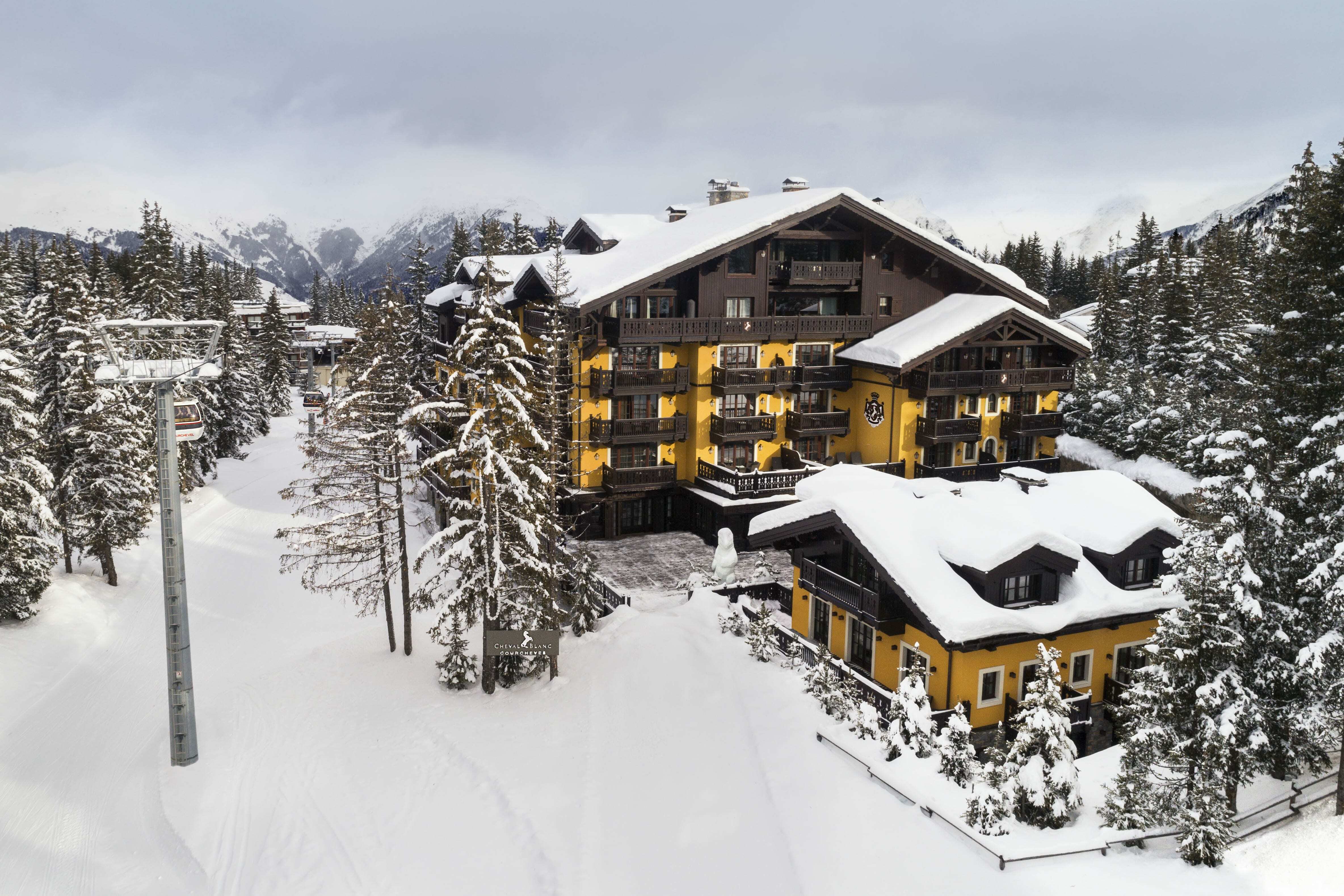
When Courchevel first emerged as a ski resort in the 1940s, its chalets were built in the style of local mountain homes. They were constructed from solid materials such as larch wood and stone, chosen for their durability and insulation. Their architecture was purely functional, with sloping roofs to bear snow, small windows to retain warmth, and interiors centred around the fireplace. These homes reflected the simplicity of alpine life, with modest spaces and minimal decoration.
Over the decades, as Courchevel attracted wealthier visitors, expectations changed. The rustic charm of these early chalets remained part of their appeal, but guests began to demand greater comfort and more refined design. Gradually, these mountain cabins transformed into welcoming holiday residences, maintaining their heritage while introducing amenities suited to a new clientele seeking warmth and sophistication in equal measure.
B. The rise of luxury and comfort
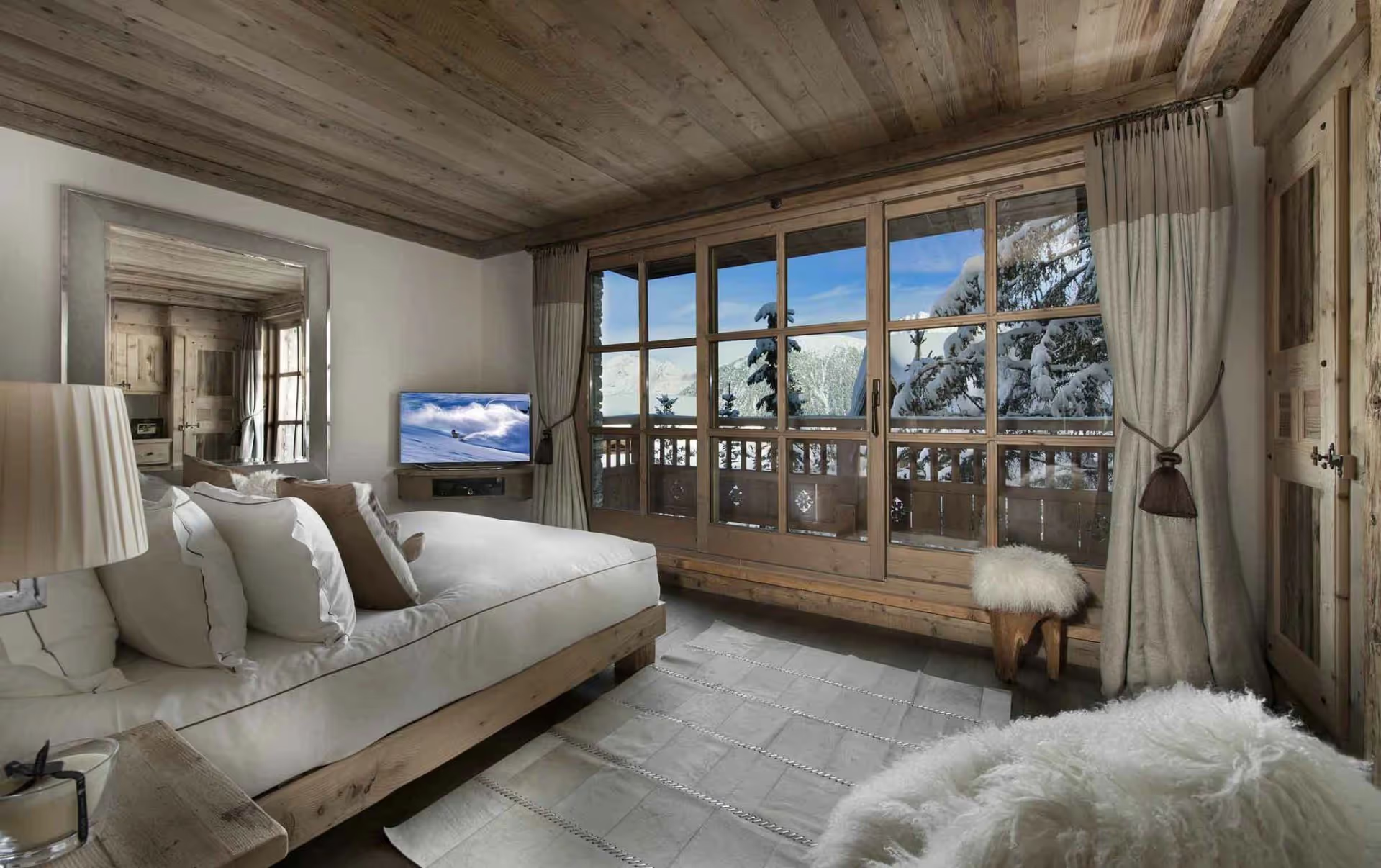
By the 1960s and 1970s, Courchevel had become a hub for international travellers. This new audience expected the same level of comfort they enjoyed in their city homes or seaside villas. Chalets grew larger, often featuring multiple bedrooms with private bathrooms, spacious living rooms, and decorative details inspired by local craftsmanship. Carved wood panels, exposed beams, and natural stone fireplaces became hallmarks of the alpine aesthetic.
At the same time, technology made its way into mountain living. Modern heating, improved insulation, and the first home automation systems transformed the way chalets were experienced. They became gathering places rather than simple shelters, designed for families and friends to share long dinners and evenings by the fire. Courchevel’s chalets began to embody the art of convivial luxury, an atmosphere that continues to define the resort today.
C. Contemporary architecture takes hold
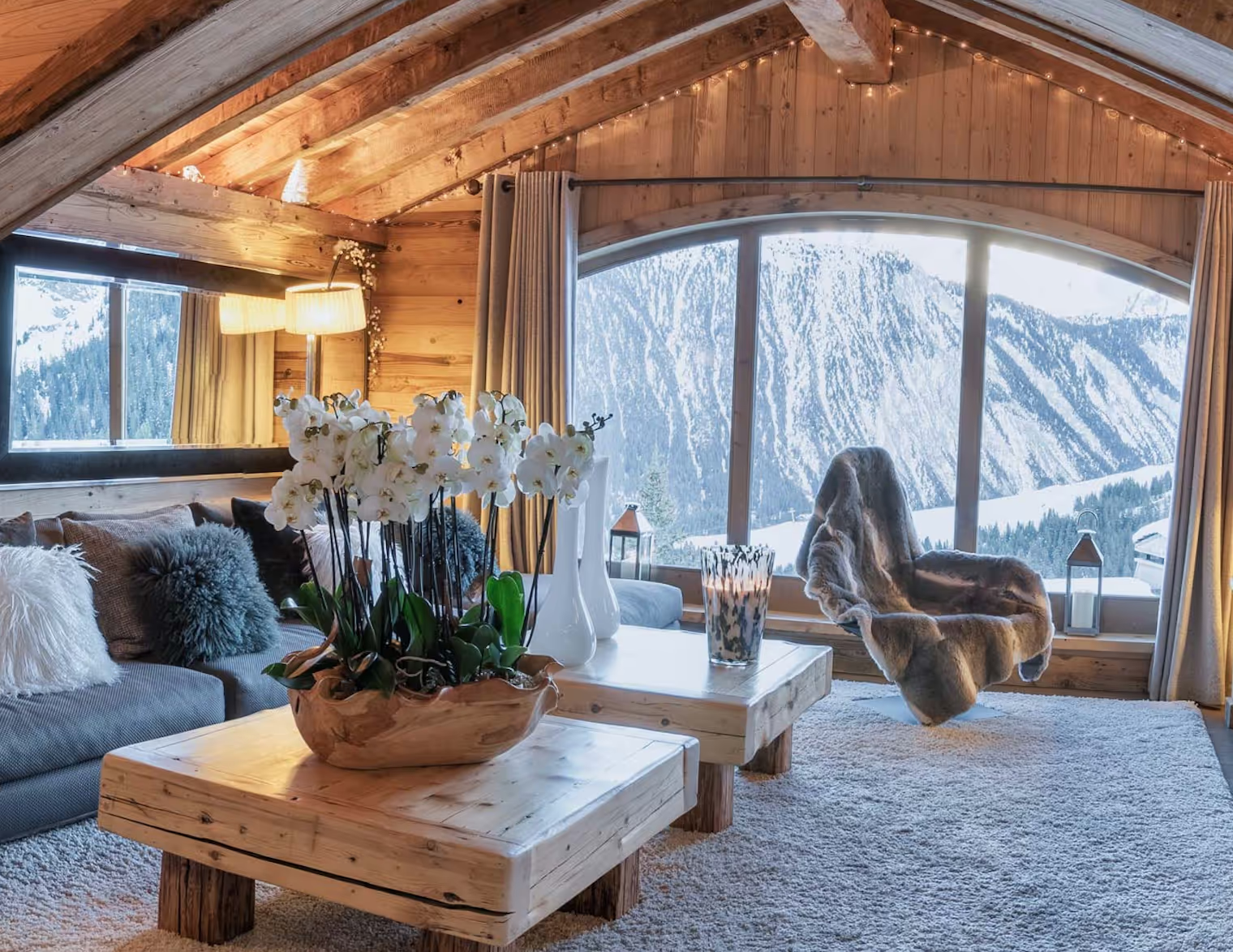
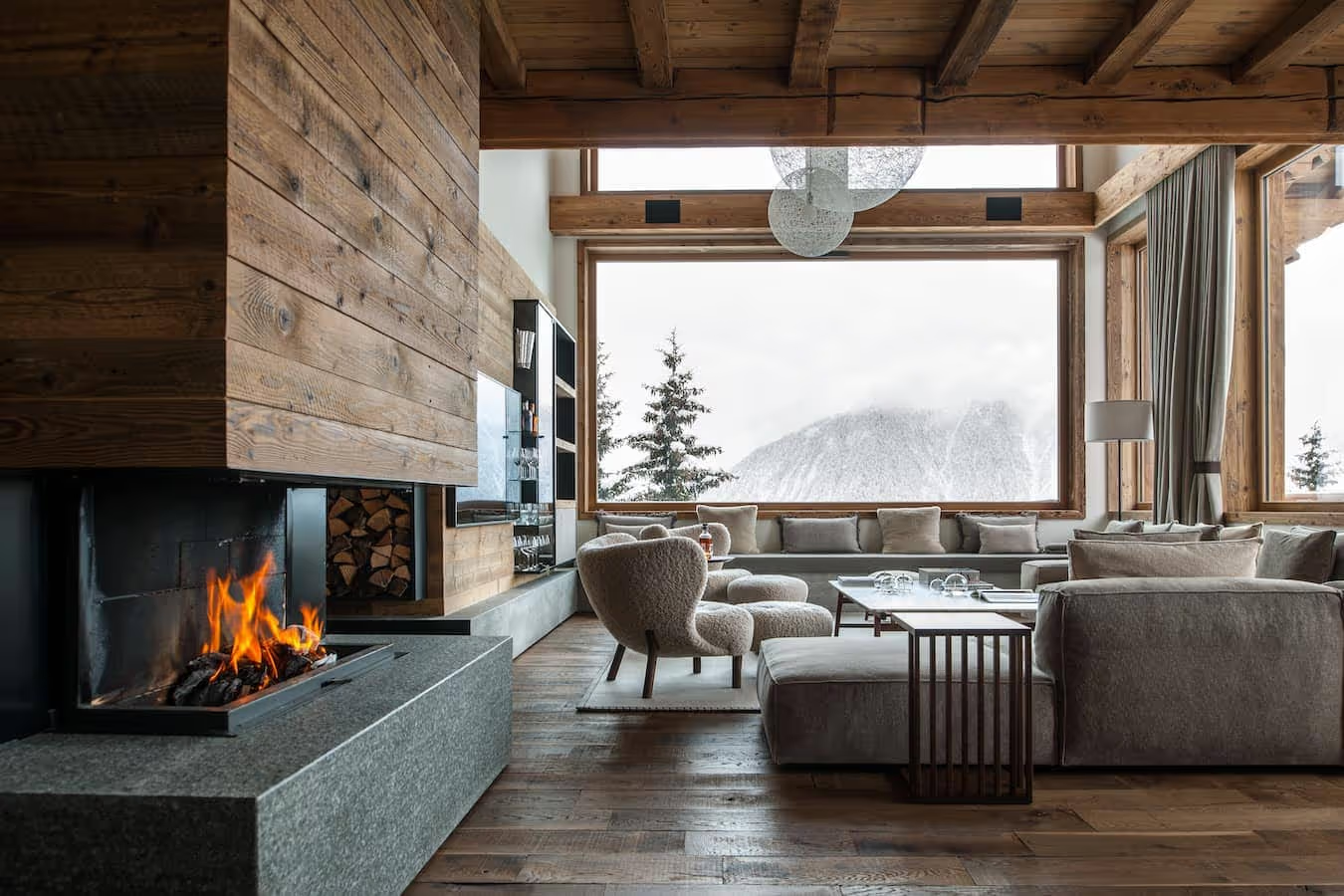
From the 1990s onwards, Courchevel entered a new architectural era. The influx of global travellers introduced new ideas of comfort and design. Chalets began to incorporate glass, steel, and sculpted stone alongside traditional wood, creating spaces that were both warm and resolutely modern. Open-plan layouts replaced closed rooms, and large picture windows framed panoramic views of the surrounding peaks.
Designers also rethought the relationship between interior and exterior. Natural light became a central feature, and terraces evolved into living spaces in their own right. Chalets such as Chalet Edelweiss and Chalet Pearl illustrate this evolution: expansive interiors, high ceilings, and private spas create a balance between intimacy and grandeur. Courchevel became an open-air showcase of contemporary alpine architecture, blending innovation and heritage with rare precision.
II. Current design trends shaping Courchevel chalets
A. Sustainability and eco-conscious building
Today’s chalets reflect a deep awareness of sustainability and environmental responsibility. Developers integrate high-performance insulation, geothermal heating, and renewable energy systems to reduce their impact on the environment. Reclaimed wood, natural stone, and organic paints are preferred materials. Green roofs and large windows that optimise natural light are increasingly common, allowing chalets to breathe with the landscape rather than compete with it.
In Courchevel, sustainability has become synonymous with luxury. Clients expect eco-responsible construction without compromise on design or comfort. Chalets like those in Six Senses Residences Courchevel represent this new approach, combining craftsmanship, technology, and energy efficiency to create homes that are both timeless and forward-thinking.
B. Open spaces and natural light
Modern chalets prioritise openness, transparency, and connection with the landscape. Glass façades have replaced solid walls, offering uninterrupted views of the slopes and valleys. Interiors are structured around large, double-height living areas that allow natural light to flood the space from morning to evening. This architectural openness encourages conviviality while maintaining zones of privacy in suites and lounges.
Furniture and materials follow the same philosophy. Neutral tones, soft textiles, and natural finishes create an atmosphere of understated elegance. The boundaries between indoor and outdoor living blur, as terraces, balconies, and even indoor gardens extend the sense of space. This architectural language reflects how Courchevel has embraced light and air as the new dimensions of alpine luxury.
C. Integration into the alpine landscape
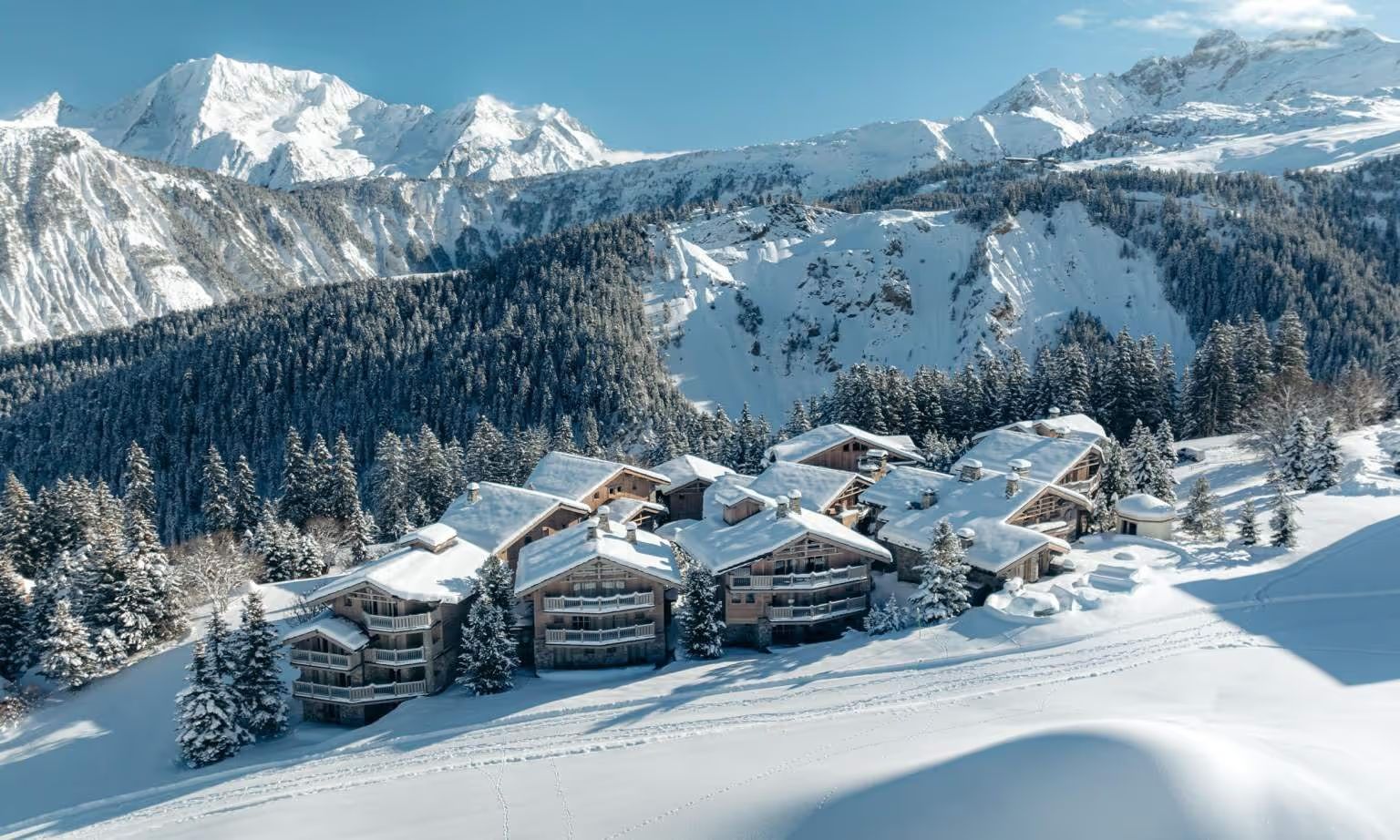
The best contemporary chalets in Courchevel are designed to blend harmoniously with their surroundings. Architects now study the slope of the terrain, the exposure to sunlight, and the colour palette of the environment before drawing a single line. Roofs follow natural inclines, while façades combine untreated wood and brushed stone in subtle tones that echo the nearby peaks.
This integration allows chalets to enhance rather than dominate the landscape. It preserves Courchevel’s authenticity and avoids visual saturation. Projects in areas like Bellecôte or Jardin Alpin exemplify this balance, combining architectural ambition with environmental respect. This discreet sophistication is what defines the most desirable properties in the resort today.
D. Lifestyle-driven interiors
The interior design of modern chalets is entirely driven by lifestyle. Beyond bedrooms and living rooms, they now include complete wellness areas with saunas, hammams, and heated pools, as well as cinemas, gyms, and wine cellars. The kitchen becomes the heart of the home, often open and designed for private chefs to prepare personalised menus. Suites include dressing rooms and terraces, ensuring privacy even in large group stays.
This level of detail reflects the expectations of international travellers who view chalets as full living environments rather than simple holiday homes. Properties like Chalet Les Bruxellois embody this philosophy, where every feature contributes to comfort, wellness, and shared experience.
Courchevel as a reference in alpine architecture
The evolution of chalet design in Courchevel tells the story of a destination that has mastered the balance between heritage and innovation. From modest wooden cabins to sustainable residences made of glass and stone, each generation of chalets has added a new layer to the resort’s identity. Today, Courchevel sets the standard for mountain architecture worldwide, admired for its ability to evolve without losing its soul.
For travellers, staying in Courchevel means experiencing architecture that reflects decades of refinement and a vision of the future of alpine living. With CS Villas, you access chalets that represent the best of this evolution, properties selected for their design, comfort, and ability to turn your stay into an exceptional alpine experience.
.avif)

.avif)
.avif)
.avif)
.png)


.png)



.jpg)


.png)

.jpg)
.png)
.avif)
.avif)
.avif)
.avif)
.avif)
.avif)
.avif)
.avif)


.jpg)
.jpg)
.jpg)



.jpg)
.avif)
.png)
.avif)
