Every winter season brings a new atmosphere to Courchevel. Hotels reopen after several months of closure, restaurants return with updated menus, boutiques unveil their winter collections, and the villages gradually recover the rhythm that attracts visitors from around the world. Winter 2026 confirms a trend that has become increasingly visible across the resort. Travellers no longer organise their holidays around skiing alone. Gastronomy, wellness, design, shopping, and cultural experiences now influence where people stay, how they spend their time, and even which village they choose. This evolution has transformed Courchevel into something much broader than a ski destination. A stay in the resort now combines different experiences that extend from the slopes to Michelin starred restaurants, from private spa treatments to contemporary art exhibitions, and from designer boutiques to evenings spent around the dining table in a chalet. The most interesting developments for winter 2026 are not necessarily new buildings or recently opened restaurants. In many cases, the most significant changes can be found in the way hospitality continues to evolve. Renovated properties, returning seasonal addresses, expanding wellness programmes, and new culinary concepts are all shaping the future of the resort. If you are planning a stay this season, these are the hotels, restaurants, and lifestyle experiences worth knowing before arriving in Courchevel.
Courchevel winter 2026: New hotels, restaurants & openings to know
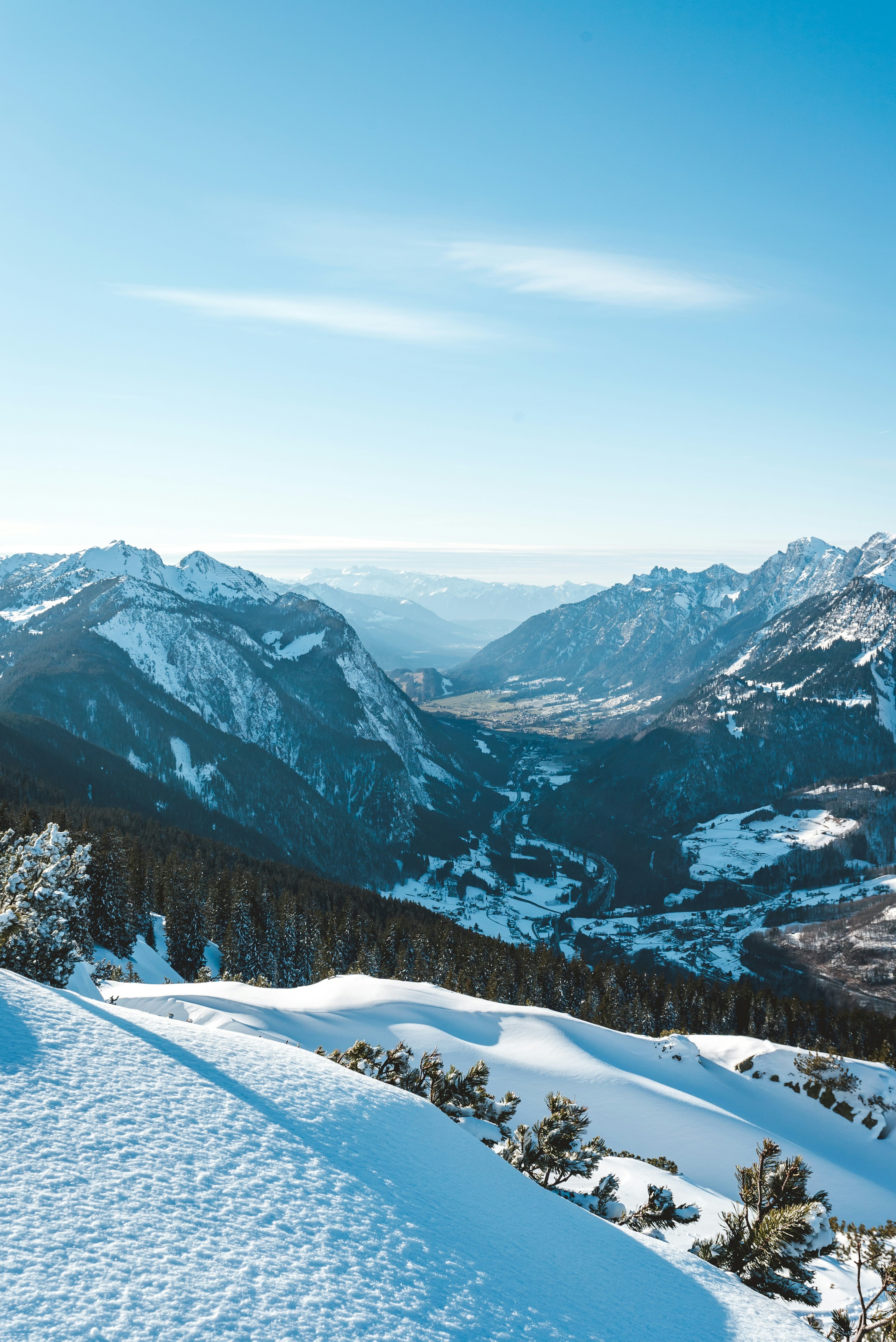
Choosing the right chalet often determines how naturally every part of your stay fits together.
I. Hotels are redefining the luxury experience in Courchevel
A. Seasonal reopenings continue to shape the identity of the resort
Unlike traditional city destinations, Courchevel follows a seasonal calendar. Every winter begins with the reopening of hotels, restaurants, spas, ski schools, and luxury boutiques. These reopenings influence the atmosphere of the entire resort because they determine when village life fully returns.
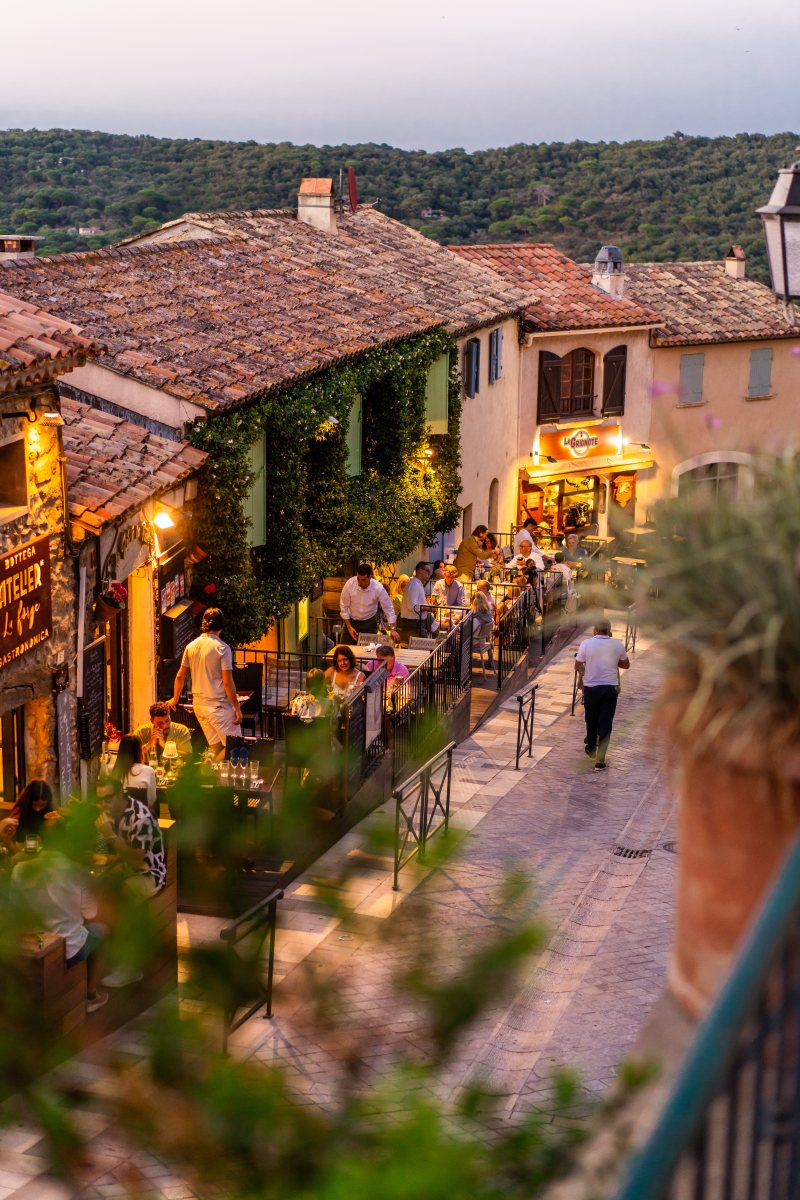
Among the confirmed reopenings for winter 2026, Hôtel Edelweiss has already announced its return for December. Located in Courchevel Moriond, the property reflects an important characteristic of the resort. Each village develops its own identity, and visitors often return to the same addresses year after year because they already understand how a particular location fits their lifestyle.
For many families, loyalty to a specific property has become part of the holiday tradition. Children return to the same ski school. Parents reserve tables in familiar restaurants. Grandparents reconnect with the same village atmosphere every season. In this context, the reopening of a hotel represents much more than the return of accommodation. It marks the return of routines and experiences that many visitors associate with winter itself.
.png)
B. Hotels have become destinations rather than places to sleep
The definition of luxury hospitality has changed significantly over the past decade. Ski access remains important, but travellers now expect much more from their accommodation.
Properties such as Les Airelles Courchevel have contributed to this transformation by developing environments where restaurants, spas, concierge services, family activities, wellness programmes, and entertainment coexist within the same property.
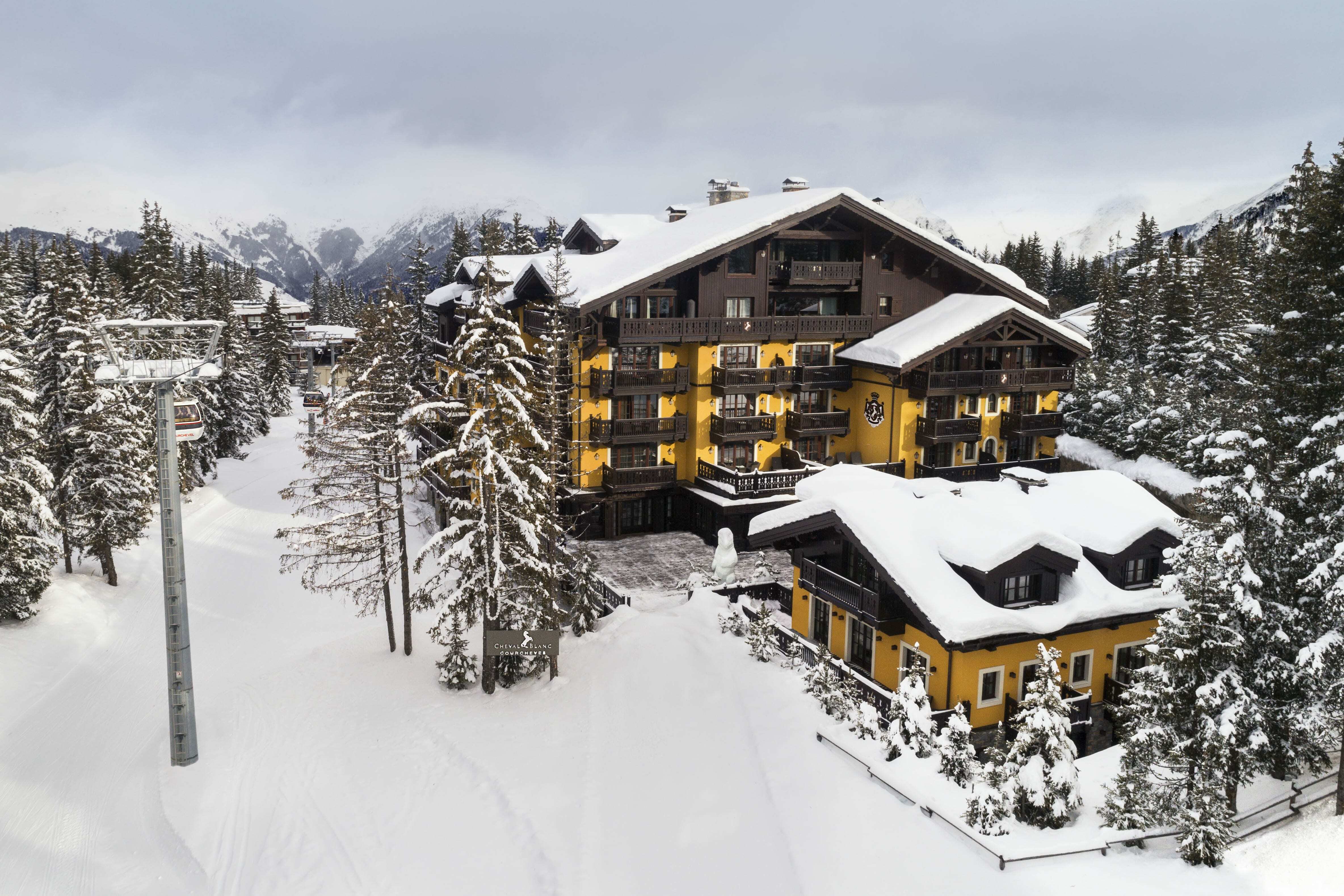
The same philosophy can be seen at Cheval Blanc Courchevel, where hospitality extends far beyond accommodation. Guests move naturally between the slopes, the spa, the restaurants, and the hotel itself without interrupting the rhythm of their stay.
This evolution reflects changing travel habits. Many visitors now spend more time inside their accommodation than they did in the past. Longer lunches, wellness sessions, family activities, and private dinners have changed the way people experience mountain destinations.
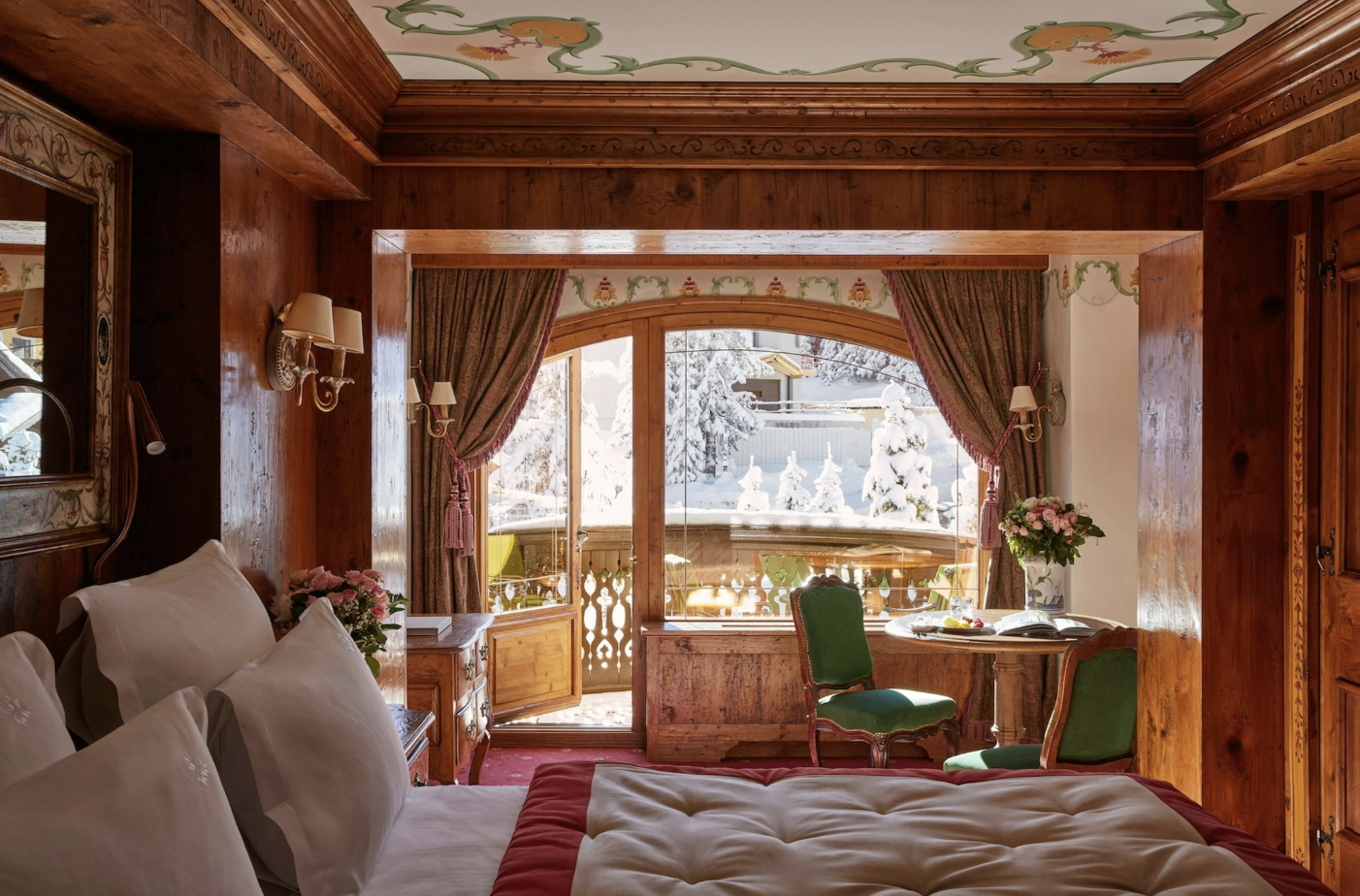
C. Renovation projects continue to influence the future of alpine hospitality
Winter 2026 also highlights the importance of renovation throughout the resort. Rather than focusing exclusively on new openings, many properties continue to modernise their facilities to respond to changing expectations.
Larger wellness areas, redesigned suites, expanded family spaces, and improved sustainability standards have become priorities across the luxury hospitality sector.
Projects involving properties such as K2 Altitude illustrate this long term investment. The objective is no longer limited to offering a beautiful mountain hotel. Today’s travellers expect a complete experience that combines privacy, comfort, architecture, wellness, and personalised services within the same environment.
This approach continues to influence the future of Courchevel and explains why many of the resort’s most important developments remain connected to renovation rather than expansion.
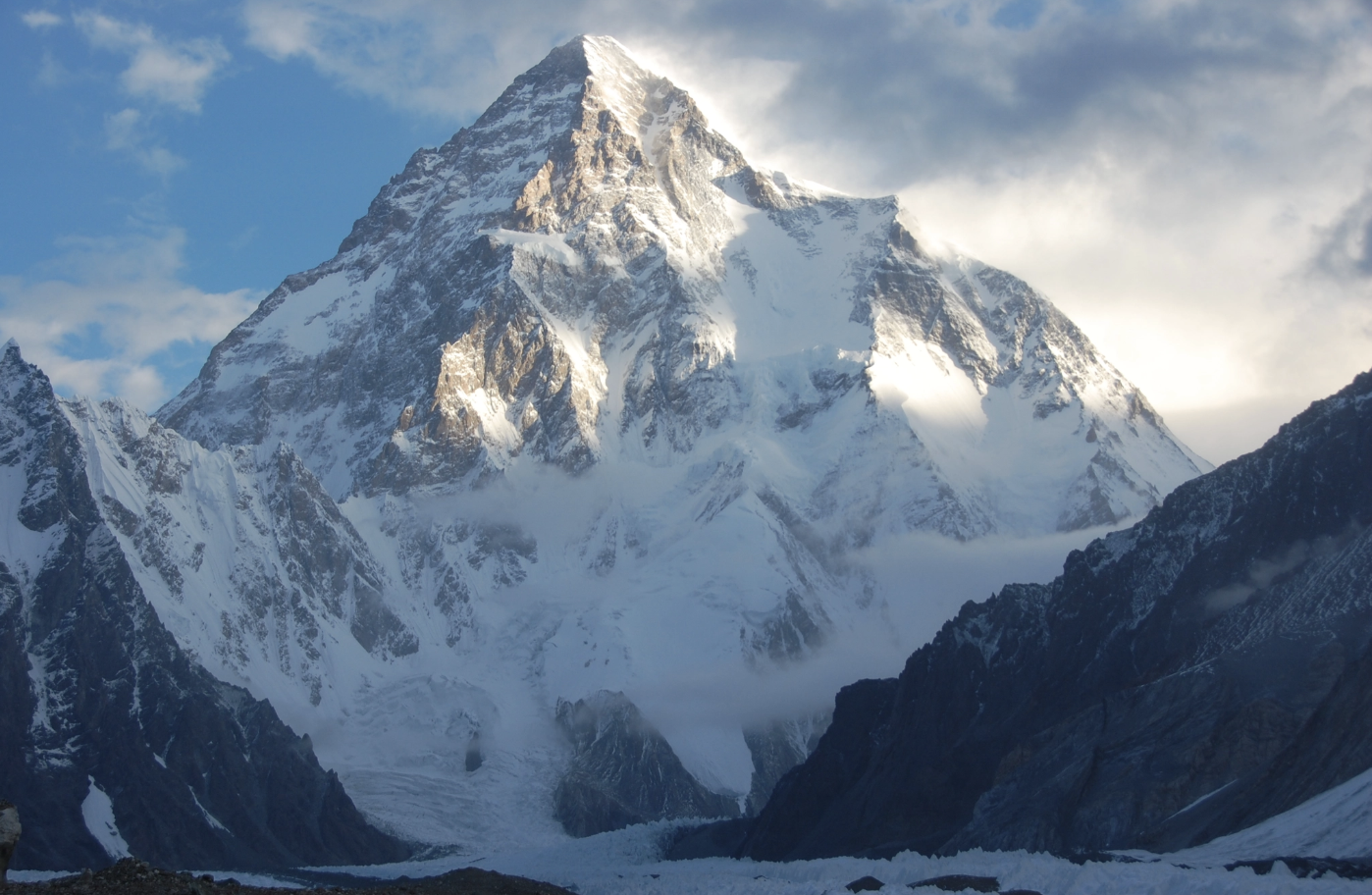
II. Restaurants continue to shape the rhythm of the winter season
A. Gastronomy has become one of Courchevel’s strongest attractions
For many visitors, skiing determines where the holiday takes place, but gastronomy determines how the holiday is experienced.
Courchevel has developed one of the most respected culinary scenes in the Alps. Restaurant reservations are frequently made weeks before arrival, particularly during Christmas, New Year, and the February holidays.
Lunch has evolved into one of the most important moments of the day. Mountain restaurants have become destinations where visitors spend several hours enjoying panoramic views, local cuisine, and the social atmosphere that characterises alpine dining.
Evenings follow the same pattern. Dinner often becomes the highlight of the day, especially for travellers staying for one or two weeks who want each evening to offer a different experience.

B. International cuisine and mountain traditions coexist naturally
One of the strengths of Courchevel lies in its culinary diversity.
Restaurants such as Le 1947 at Cheval Blanc continue to position the resort among the leading gastronomic destinations in Europe.
At the same time, Matsuhisa Courchevel demonstrates how international influences have become part of the resort’s identity. Japanese and Peruvian cuisine may seem unexpected in the middle of the Alps, yet this type of culinary experience perfectly reflects the cosmopolitan profile of Courchevel.
Visitors looking for a stronger connection to regional traditions often choose restaurants such as Le Coin Savoyard, where local specialities remain at the centre of the dining experience.
The ability to alternate between these different culinary styles during the same holiday contributes significantly to the appeal of the resort.
.png)
C. Chalet dining continues to transform the guest experience
Restaurants remain an essential part of Courchevel, but private dining has become equally important.
The growth of luxury chalet rentals has changed the way families and groups organise their evenings. Many guests alternate between restaurant reservations and meals prepared by private chefs inside their chalet.
This flexibility completely changes the pace of the holiday. Families with young children are no longer limited by restaurant schedules. Groups celebrating birthdays or special occasions can enjoy a more intimate environment. Guests returning from a long day on the slopes can enjoy a relaxed dinner without leaving the comfort of their accommodation.
Food continues to define the Courchevel experience, but the setting in which those meals take place has evolved considerably.
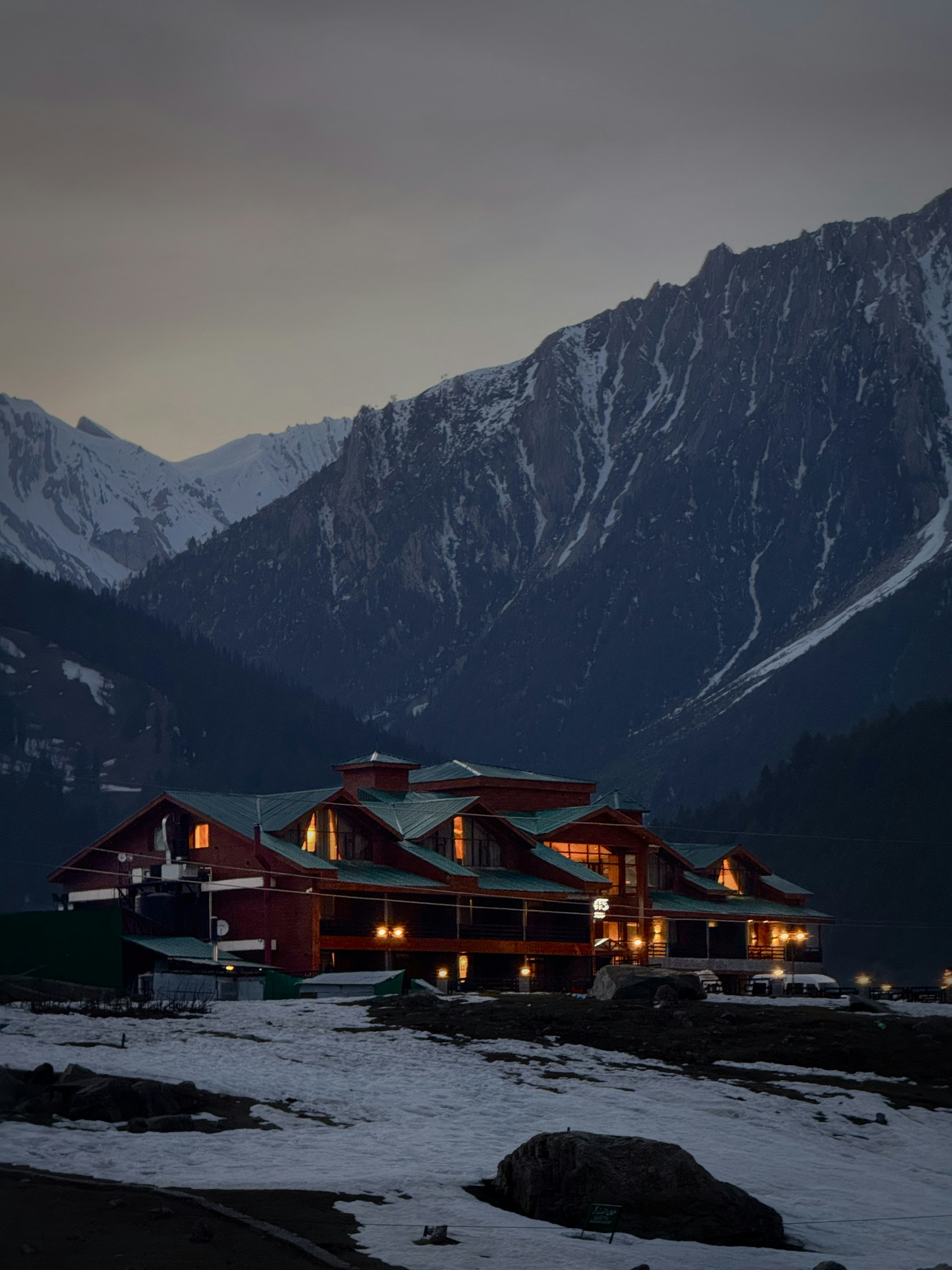
III. Wellness, culture, and lifestyle are expanding the definition of a winter holiday
A. Wellness is becoming as important as skiing
Many travellers no longer spend every day entirely on the slopes.
Wellness has become an essential part of winter holidays, particularly during longer stays. Mornings dedicated to skiing are increasingly followed by afternoons spent swimming, exercising, relaxing, or receiving treatments.
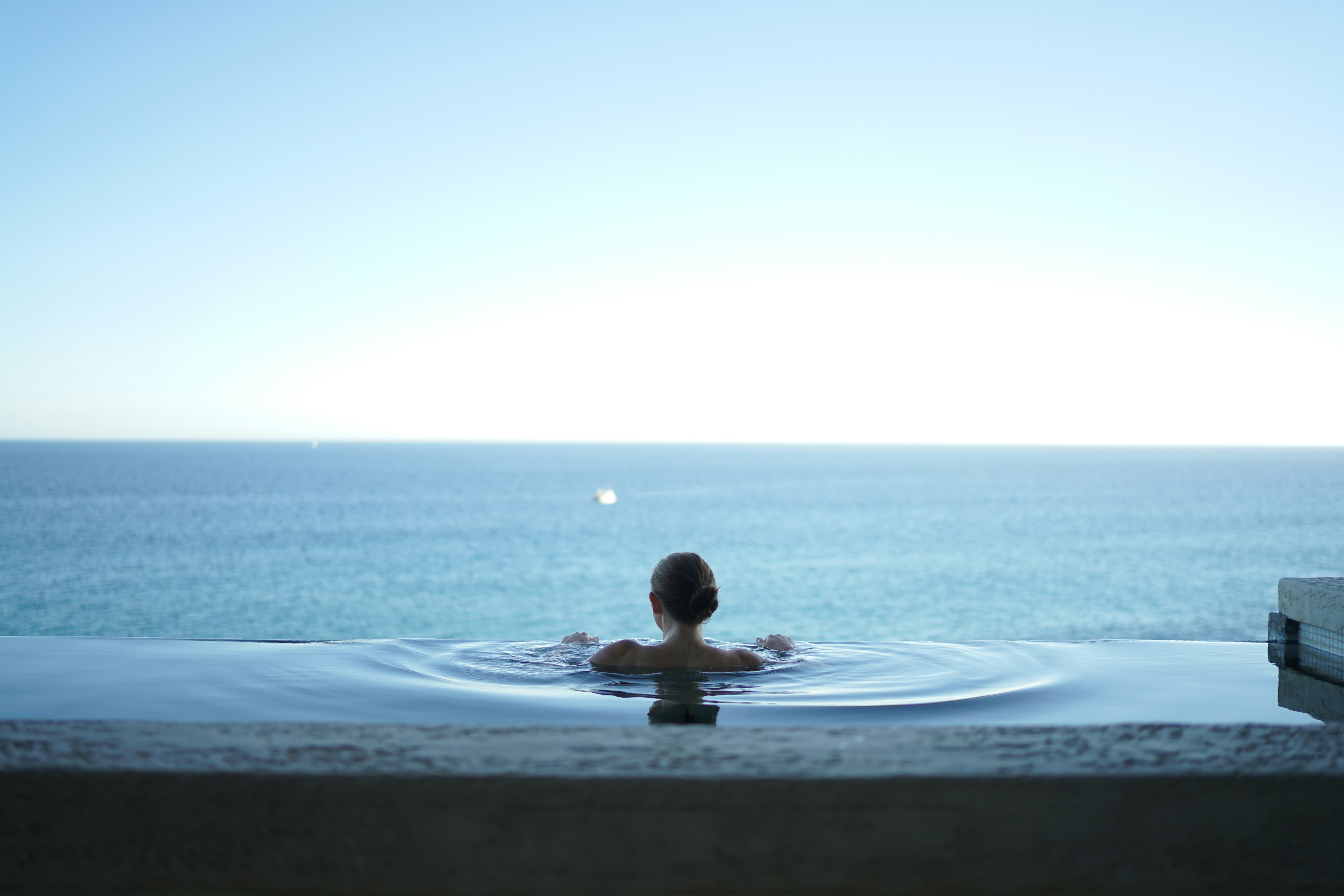
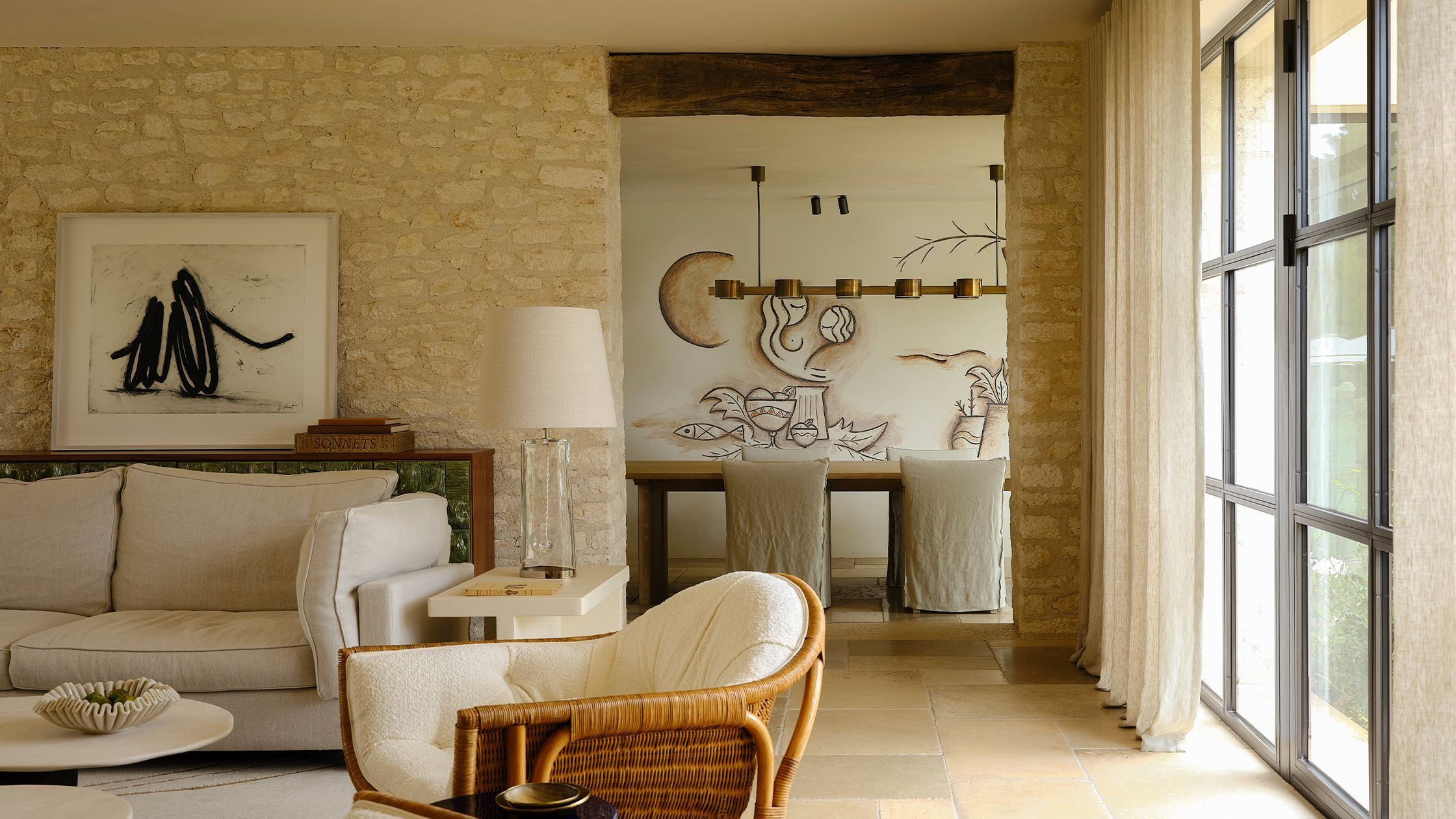
This growing focus on wellbeing is also influencing the way travellers choose their accommodation, with wellness facilities becoming an increasingly important part of the overall chalet experience.
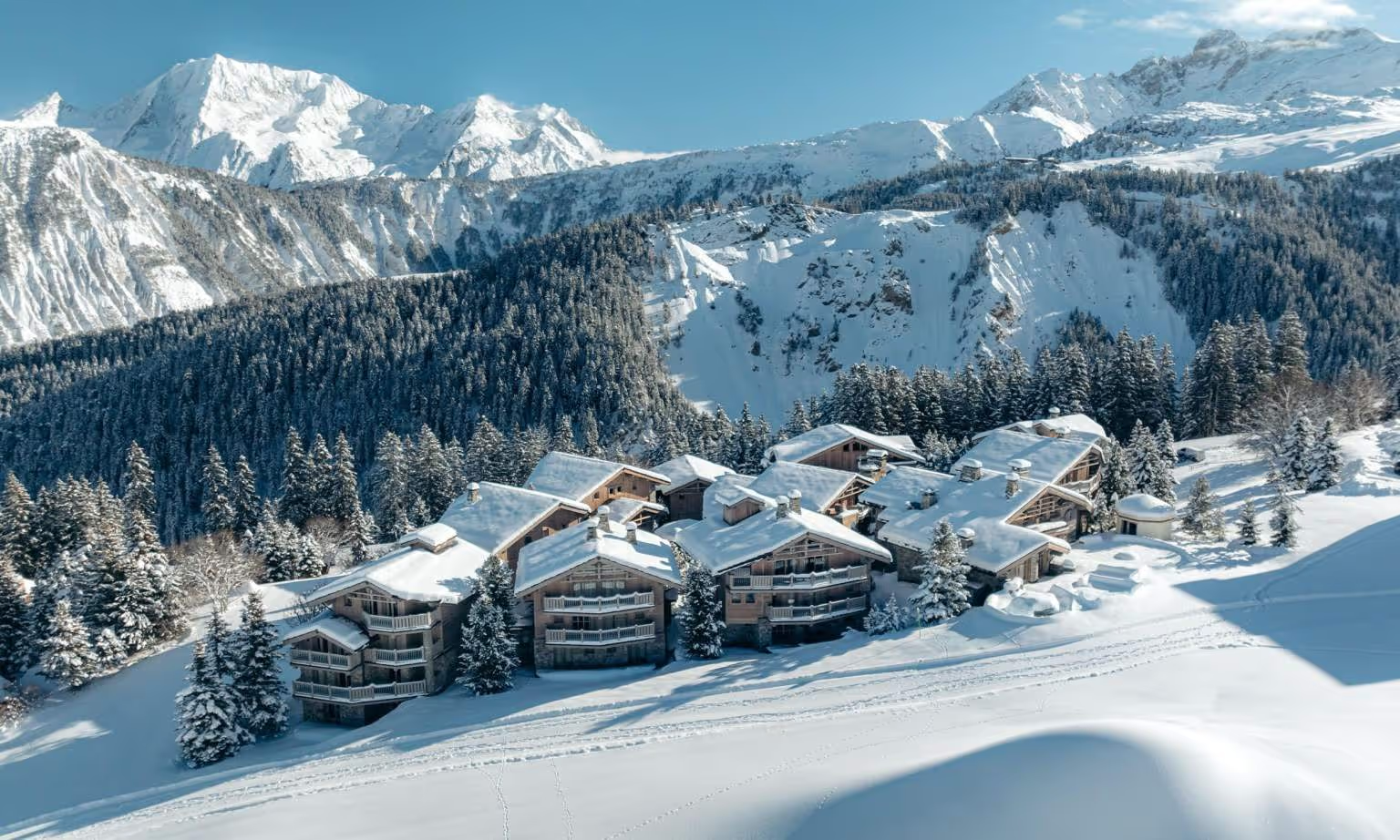
Modern chalets increasingly reflect these expectations by incorporating private pools, hammams, saunas, yoga rooms, and dedicated treatment spaces.
B. Art and shopping continue to enrich the lifestyle experience
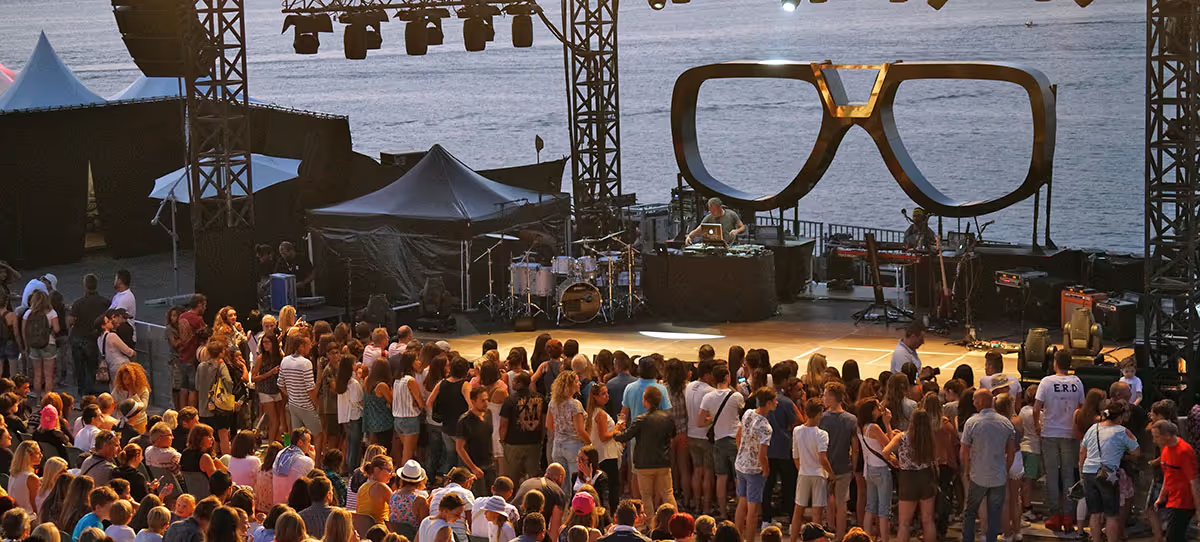
Recent editions of L’Art au Sommet have reinforced the cultural identity of the resort by introducing contemporary art into public spaces.
Shopping also contributes to this broader lifestyle experience. Walking through Courchevel 1850 means moving between restaurants, cafés, luxury hotels, galleries, and boutiques from international fashion houses such as Chanel, Louis Vuitton, Dior, and Hermès.
For many visitors, these experiences have become just as important as skiing because they allow different members of the same group to follow their own interests while sharing the same destination.
.png)
C. Courchevel continues to move toward a more complete vision of mountain living
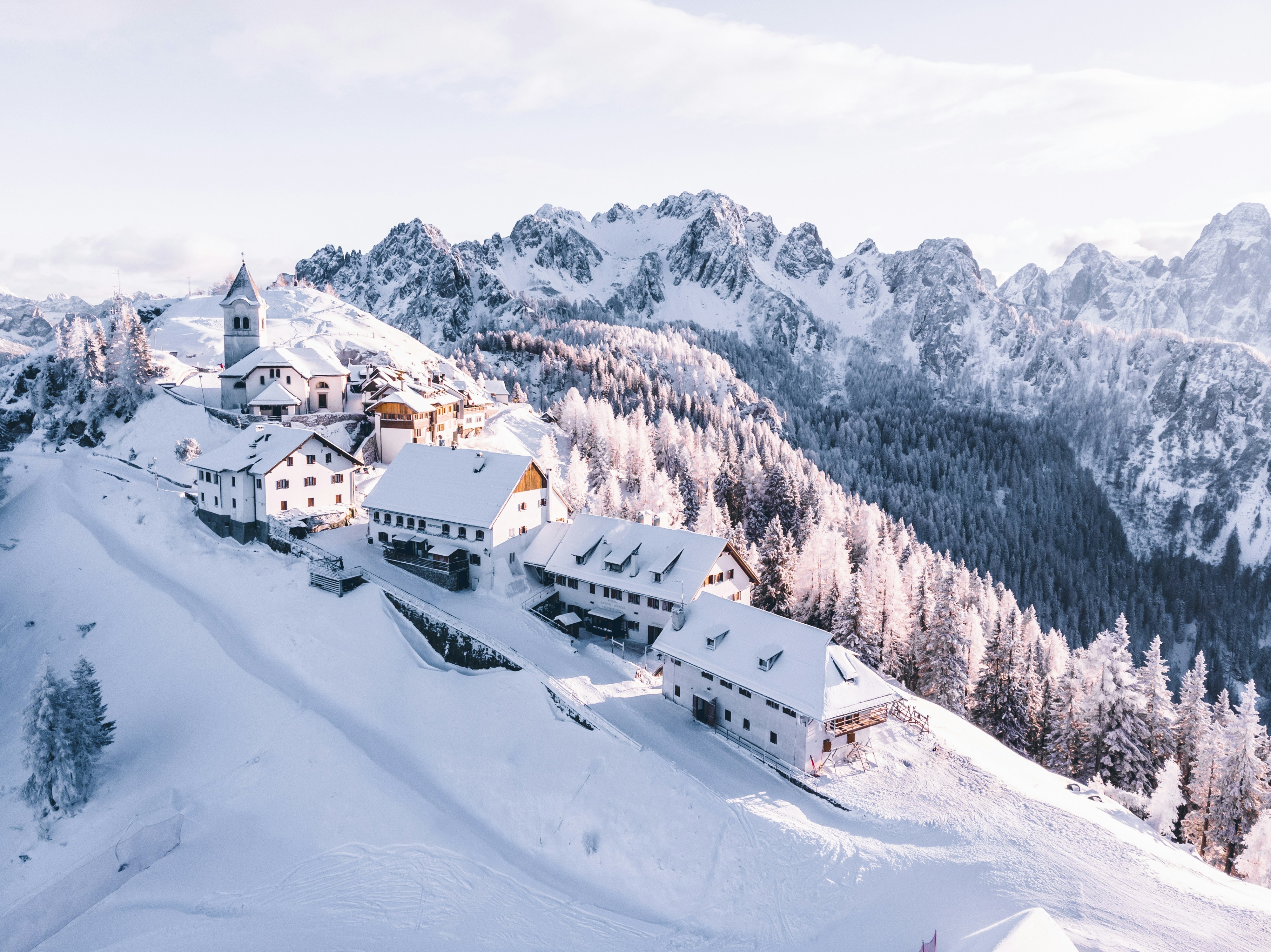
Winter 2026 confirms that Courchevel is evolving into a destination where skiing represents only one part of the experience.
Hospitality continues to adapt. Restaurants continue to diversify. Wellness occupies more space within hotels and chalets. Art and shopping continue to influence the atmosphere of the villages.
The most successful stays are often those that balance these different experiences rather than concentrating exclusively on one activity.
The choice of accommodation remains one of the most important decisions because it influences every moment of the holiday. The distance to the slopes, access to restaurants, the atmosphere of the village, and the facilities available inside the property all contribute to the overall experience.
Exploring the CS Villas collection before booking often provides a clearer perspective on how different chalets correspond to different travel styles, whether your priority is ski access, privacy, wellness, gastronomy, or family living in the heart of Courchevel.



.png)




.jpg)


.png)

.jpg)
.png)
.avif)
.avif)
.avif)
.avif)
.avif)
.avif)
.avif)
.avif)
.avif)


.jpg)
.jpg)
.jpg)



.jpg)
.avif)

.png)
.avif)
